


Scaling and Sustaining Safety: Implementing Highly Reliable, System-Wide Communication with I-PASS
On-Demand Webinar Available
Live webinar conducted on July 31, 2025
Course Description
Despite two decades of patient safety initiatives, the healthcare industry continues to struggle with implementing permanent, sustained strategies to prevent adverse outcomes. Recent studies confirm that miscommunication remains one of the leading contributors to medical errors.
While numerous theories attempt to explain these persistent challenges, the reality is clear – healthcare continues to suffer from significant vulnerabilities, including unacceptable variation in processes, skills, and communication.
Recognizing these challenges, many healthcare organizations are reinvigorating efforts to become High-Reliability Organizations (HROs). These initiatives, largely championed by quality and patient safety leaders, impact every level of a healthcare system. However, true transformation requires more than leadership commitment; it demands practical, systems-based solutions that equip frontline caregivers with the tools needed to drive high reliability in daily practice.
One of the most significant barriers to high reliability is variability in communication – especially during handoffs and care transitions.
In this webinar, we will explore how structured communication models – specifically those designed to strengthen handoff processes – can serve as a powerful strategy for advancing patient safety efforts. By reducing variation and enhancing reliability, these approaches have the potential to drive measurable improvements in safety, quality, and the overall patient and caregiver experience.
This webinar will be recorded and made available on the HAH website for on-demand viewing. There are no continuing education credits associated with this training.
Learning Objectives
Participants of this session will be able to:
Recognize the prevalence of variability in healthcare communication processes.
Examine how communication breakdowns contribute to medical errors.
Explore the role of structured handoff communication programs in reducing preventable errors.
Understand how structured handoff programs support High-Reliability Organization (HRO) efforts while minimizing the risk of harm reaching patients.
Speaker

Christopher P. Landrigan, MD, MPH
Christopher P. Landrigan, MD, MPH is the Chief of General Pediatrics at Boston Children’s Hospital, Director of the Sleep and Patient Safety Program at Brigham and Women’s Hospital, and the William Berenberg Professor of Pediatrics and Professor of Medicine at Harvard Medical School. He was a founding member of the Harvard Work Hours, Health, and Safety Group, the founding chair of the Pediatric Research in Inpatient Settings (PRIS) Network, a founder and Principal Investigator of the I-PASS Study Group, and a founder of the I-PASS Patient Safety Institute.
Dr. Landrigan has led a series of groundbreaking studies on the epidemiology of medical errors, and interventions designed to reduce their incidence. His most important work has been focused on developing reliable patient safety measurement tools, and developing and implementing interventions to improve the safety of hospital care. His work on the relationship between resident work hours, sleep, and patient safety contributed to national changes in resident work hour standards. He led the development of I-PASS, a multi-faceted handoff and communication improvement program that AHRQ has described as the gold standard for safe handoffs of care. I-PASS has been adopted by pediatric and adult hospitals and health systems across the country. Most recently, with PCORI's support, and together with patient and family, nurse, and physician co-investigators from around the country, Dr. Landrigan led the integration of I-PASS into hospital family centered rounds, resulting in major improvements in communication, patient and family experience, and patient safety.
Dr. Landrigan has authored over 200 publications in the medical literature, and has received numerous awards for his research, teaching, leadership, and innovation. The I-PASS Study Group was the recipient in 2016 of the most prestigious patient safety award in the country, the John M. Eisenberg Award for National Achievement in Patient Safety, from the Joint Commission and the National Quality Forum.
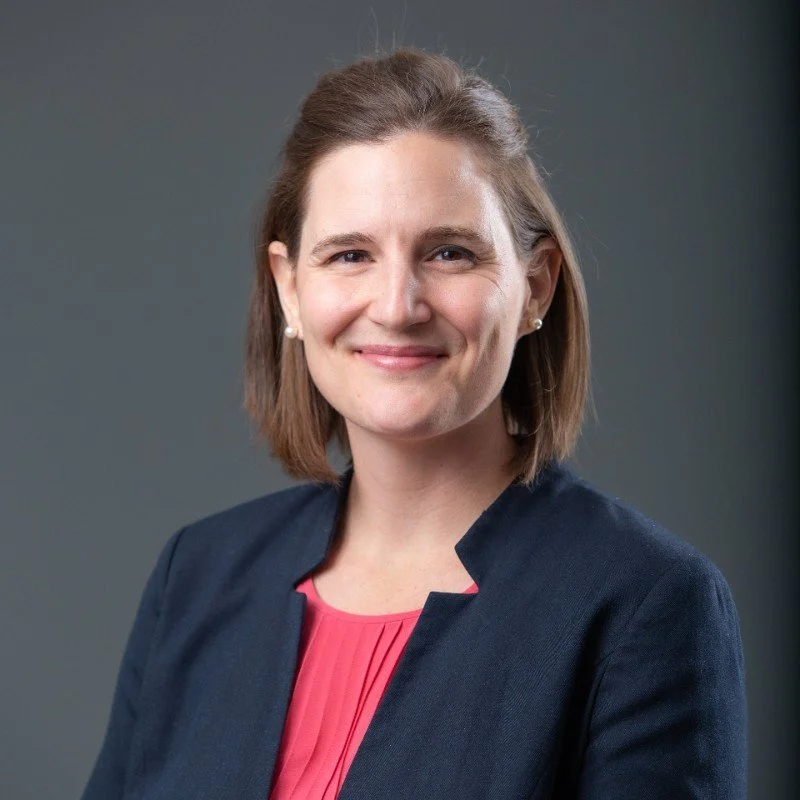
Theresa Murray, MSN, RN, CPPS, LSSBB
Theresa Murray is an experienced healthcare leader with a career spanning direct patient care, nursing education, quality and safety, and process improvement. She currently serves as the Vice President of Clinical Strategy and Transformation at the I-PASS Patient Safety Institute and continues to practice as a per diem Quality and Safety Specialist Senior RN within the Value Institute at Dartmouth Health.
Theresa holds credentials as a Certified Professional in Patient Safety and a Lean Six Sigma Black Belt, reflecting her deep expertise in root cause analysis, common cause analysis, systems improvement and driving organizational change. She is recognized for her leadership in implementing the I-PASS standardized handoff method with providers, advanced practice providers, nurses, and respiratory therapists—spanning inpatient, procedural, and perioperative settings at Dartmouth Hitchcock Medical Center.
Cost
Registration includes access to on-demand content.
HAH Member: FREE
Non-Member: $50 per person
Are you an employee of an HAH member organization and qualify for the member rate? CLICK HERE to find out!
*No cancellation or refunds as content will be available on-demand.
Registration